



Introduction
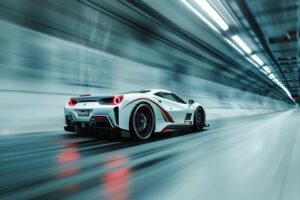
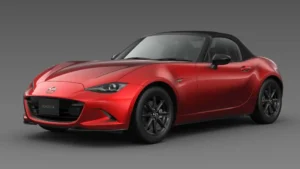
Sports cars have always captured the imagination of car enthusiasts worldwide. With sleek designs, powerful engines, and a promise of speed, they are more than just vehicles—they are symbols of freedom and engineering excellence. But how did sports cars evolve from simple performance machines to the high-tech marvels we see today?
The Early Days
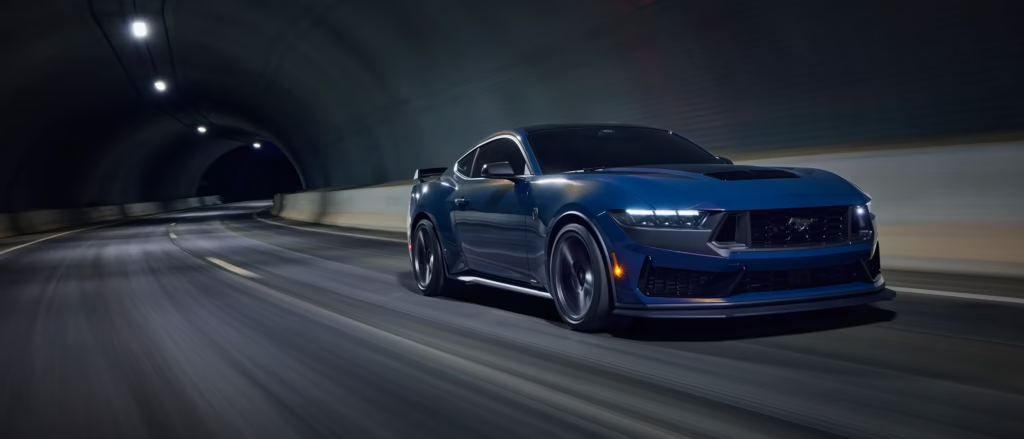
The story begins in the early 20th century. Cars like the Bentley 3 Litre and Bugatti Type 35 defined early sports car culture. These vehicles prioritized speed and handling over luxury. Lightweight frames, large engines, and minimal comfort marked the early era of performance driving.
Golden Era: 1950s–1970s
The post-war period brought iconic classics. Cars like the Jaguar E-Type, Ferrari 250 GTO, and Porsche 911 became legends. This era emphasized both style and performance, introducing design cues like long hoods, low profiles, and curvy silhouettes. These cars were often featured in racing circuits, fueling public fascination.
Modern Sports Cars: Technology Meets Performance
By the 1980s and 1990s, sports cars started integrating advanced engineering. Turbocharged engines, electronic fuel injection, and improved suspension systems became standard. Models like the Ferrari F40 and Lamborghini Diablo showcased extreme performance while maintaining design elegance.
Hypercars and Today’s Innovation
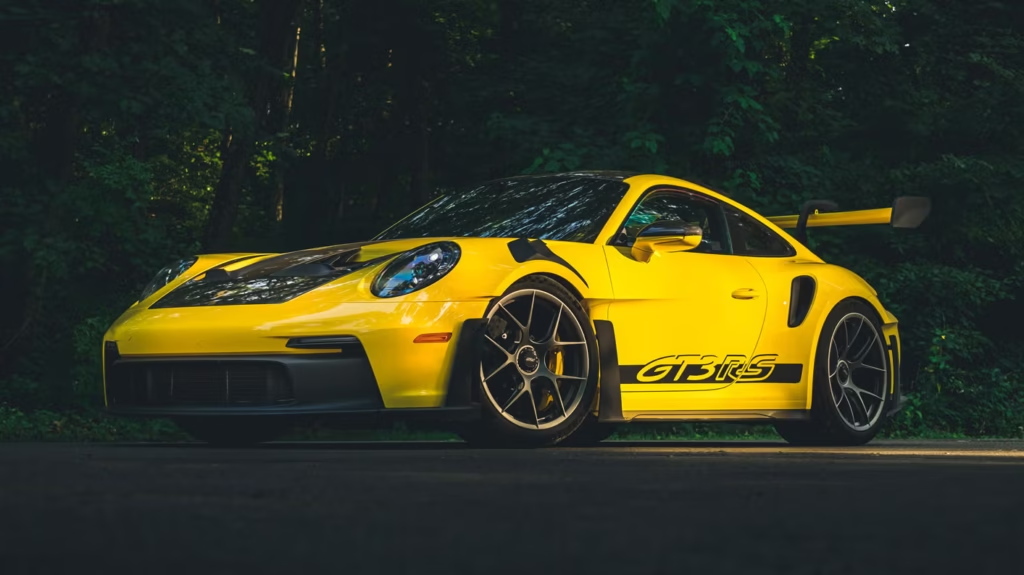
Today’s sports cars, such as the Porsche 911 GT3, McLaren 720S, and electric marvels like the Rimac Nevera, represent the pinnacle of automotive technology. Carbon-fiber construction, hybrid powertrains, and cutting-edge aerodynamics combine speed, efficiency, and safety in unprecedented ways.

The Influence of Racing
Motorsports have always driven sports car innovation. Formula 1, Le Mans, and rally racing introduced technologies like turbocharging, advanced braking systems, and aerodynamic designs that eventually trickled down to consumer models.
Conclusion
From simple speed machines to technologically advanced hypercars, sports cars have continually evolved to meet the demands of performance enthusiasts. Their journey reflects not only automotive innovation but also a cultural fascination with speed, style, and freedom.