


Introduction
The world of sports cars is undergoing a major transformation. Electric vehicles (EVs) are no longer just eco-friendly options—they are pushing the boundaries of speed, technology, and design. Electric sports cars combine thrilling performance with sustainability, marking the future of automotive innovation.
Why Electric Sports Cars Are Changing the Game
Electric powertrains offer instant torque, providing lightning-fast acceleration. Unlike traditional combustion engines, EVs deliver smooth and consistent power, giving drivers an exhilarating experience. Beyond speed, they are environmentally friendly, producing zero tailpipe emissions.
Top Electric Sports Cars
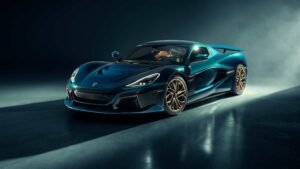
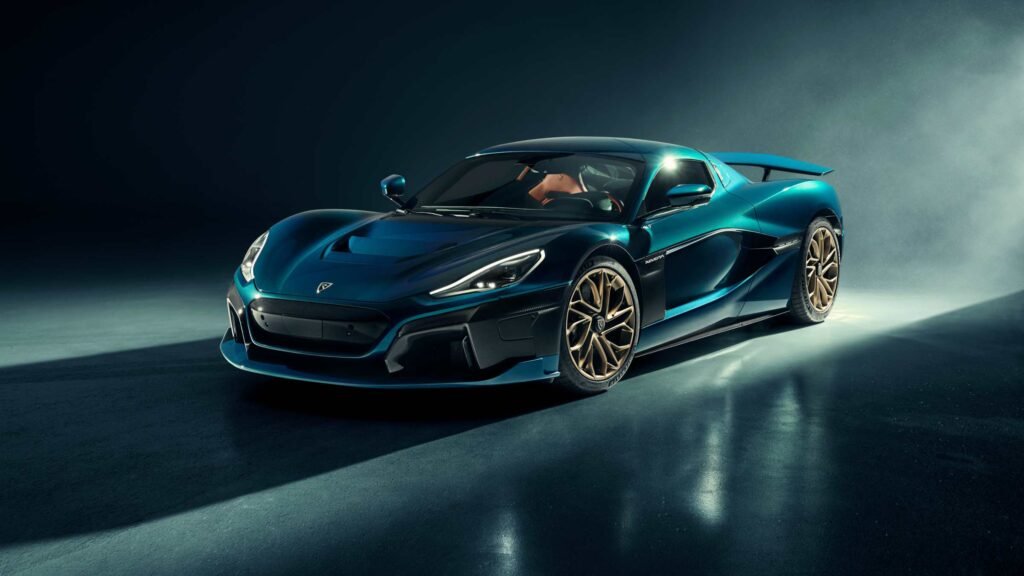
- Rimac Nevera – With 1,914 horsepower, this hypercar reaches 0–60 mph in just 1.85 seconds. Its advanced battery system and all-wheel drive redefine what electric cars can achieve.
- Tesla Roadster (2025) – Tesla promises a top speed over 250 mph and a range of 620 miles. Its futuristic design and autopilot features make it both luxurious and high-performing.
- Porsche Taycan Turbo S – Combining Porsche’s engineering excellence with electric power, the Taycan delivers precision handling and fast charging capability.
- Lotus Evija – A fully electric British hypercar with extreme aerodynamics and incredible power-to-weight ratio, designed for track and road performance.
Technology Behind Electric Sports Cars
- Battery Systems: High-capacity lithium-ion batteries provide long-range driving and rapid acceleration.
- Electric Motors: Multiple motors in some EVs allow precise torque distribution for better traction and handling.
- Regenerative Braking: Converts kinetic energy into battery power, improving efficiency and performance.
- Advanced Software: EVs use AI-driven control systems to optimize performance, stability, and energy management.
Advantages of Electric Sports Cars
- Immediate acceleration and high torque
- Lower environmental impact
- Less maintenance due to fewer moving parts
- Innovative features like autonomous driving, advanced infotainment, and adaptive driving modes
Challenges
- High initial cost compared to conventional sports cars
- Charging infrastructure limitations in some regions
- Weight of batteries can affect handling, though lightweight materials are mitigating this
Conclusion
Electric sports cars are no longer a futuristic concept—they are here, offering speed, style, and sustainability. From Rimac Nevera’s mind-blowing performance to Porsche Taycan’s precise handling, EVs are redefining what it means to drive a sports car in the 21st century. The future of speed is electric, and it’s exciting.